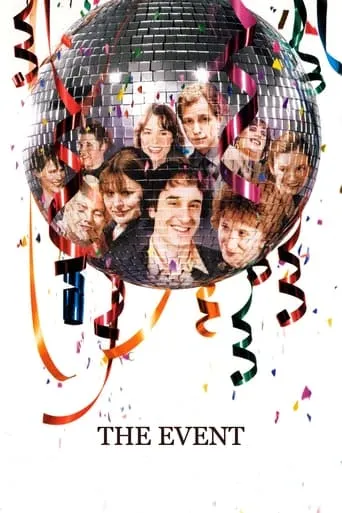
In 1970s Britain, 18-year old Dean feels hampered by his working-class background and his family. In order to make something of himself, he assumes another identity and manages to enter high society. Uses a unique projection technique that displays three side-by-side frames of nearly simultaneous action, giving the impression of simultaneous events, rather than a multi-camera recording. This innovative "three-camera" or triple-image effect was an "almost innovation" for the time, offering a novel cinematic experience alongside the film's compelling story and strong direction.
Direction
Triple-frame gimmick that actually serves the story.
Acting
Leitch's chameleonic charm keeps three timelines coherent.
Production
Period detail that makes class barriers viscerally felt.
Director
Duncan Roy


Matthew Leitch
Dean Page

Diana Quick
Lady Gryffoyn

George Asprey
David

Rachel Pickup
Stella Primrose

Sam Newman
Stephen

Lindsey Coulson
Georgie

Blake Ritson
Alexander Gryffoyn

Peter Youngblood Hills
Benjamin

Geoff Bell
Brian Page

Hannah Yelland
Camille Sturton

Bill Nighy
Uncle Louis Gryffoyn

Fenella Woolgar
Sarah

Sean Gilder
Tim Lyttleton

Robin Soans
Neil Frost

Stephen Boxer
Dermot
Trivia, insights & behind the scenes
The triple-projection technique required custom-built equipment that frequently broke down during the 28-day shoot.
Roy cited Andy Warhol's 'Chelsea Girls' as inspiration, but the effect here is narrative tension, not avant-garde diffusion. Dean's story mirrors real 1970s British social climbers like John Preston.







 US
US