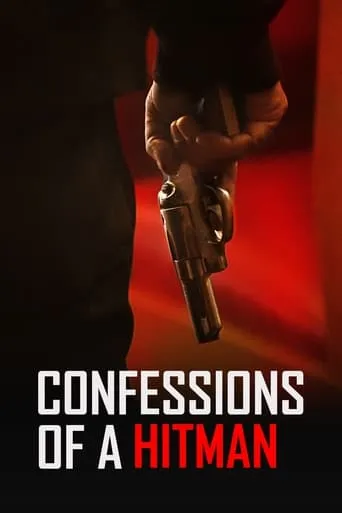
93, rue Lauriston, in the 16th arrondissement de Paris, is an address of bleak memory. It was indeed the headquarter of the French Gestapo, which was active between 1941 and 1944 and was headed by Henri Lafont and Pierre Loutrel, two wanted criminals. On the day of 1940 he was demobilized, little did well-meaning Léon Jabinet know that he would be associated with such disreputable characters. And yet, some time later, Odile Panzer, the Jewish girl he has been hiding at his parents'place, is arrested by the Gestapo. On this occasion Léon is offered a deal for her release: collaborating with the Carlingue (another name for the French auxiliaries of the Nazi police) and Odile will be free. Or else... What should he do?
Acting
Samuel Le Bihan's sweaty desperation is physically uncomfortable to watch.
Production
The Gestapo headquarters feels claustrophobically authentic.

Director
Denys Granier-Deferre
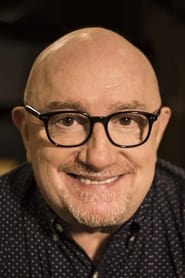
Michel Blanc
Inspecteur Blot

Samuel Le Bihan
Léon Jabinet
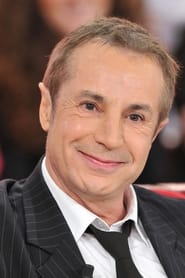
Gérald Laroche
Norbert Boileau dit «Nestor»
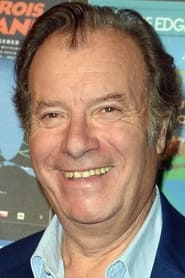
Daniel Russo
Henri Lafont, alias « Abwehr Henri Chamberlin »
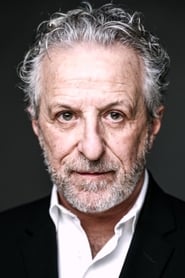
Christian Charmetant
Pierre Bony
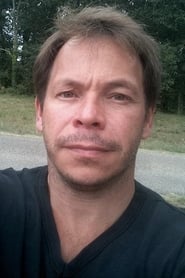
Manuel Le Lièvre
Le Furet

Eric Prat
Pelleux
Hervé Briaux
Joseph Joanovici

Jean-Claude Durand
Le patron du restaurant
Julien Cafaro
Le journaliste
Christian Bouillette
L'inspecteur divisionnaire
Philippe Vieux
Paul Hervieu
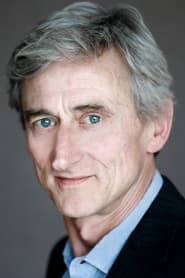
Pierre Aussedat
L'homme aux tableaux de peinture
Trivia, insights & behind the scenes
The Carlingue was real: French gangsters who became Nazi collaborators, with Henri Lafont actually dying by firing squad in 1944. The film's address was genuine Gestapo headquarters.
Released during France's ongoing reckoning with collaboration, this TV movie sparked debate about whether focusing on individual moral drama obscures systemic accountability.
No ratings yet
Sign in to join the discussion — comments are spoiler-gated to your watch progress.
Discussion starters





 FR
FR