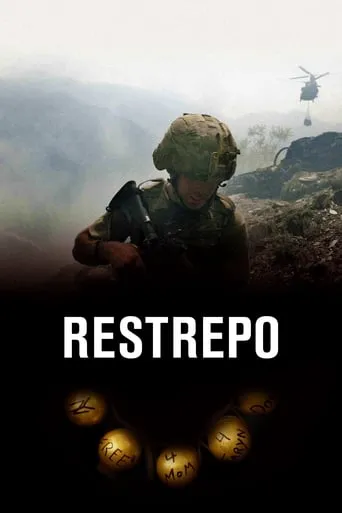
Korengal picks up where Restrepo left off; the same men, the same valley, the same commanders, but a very different look at the experience of war.
Direction
Junger finally lets soldiers analyze themselves instead of just surviving
Editing
Interview confessions woven with combat footage like psychological autopsy

Director
Sebastian Junger
Trivia, insights & behind the scenes
Junger deliberately structured Korengal as Restrepo's psychological shadow—same footage, opposite thesis. Where Restrepo showed war's coherence, this dismantles it through retrospective confession.
The soldiers' frank discussion of 'killing the right way' and their craving for combat directly influenced later veteran portrayals in films like The Hurt Locker and Cherry—though rarely with this documentary authenticity.

No ratings yet
Sign in to join the discussion — comments are spoiler-gated to your watch progress.
Discussion starters






 US
US