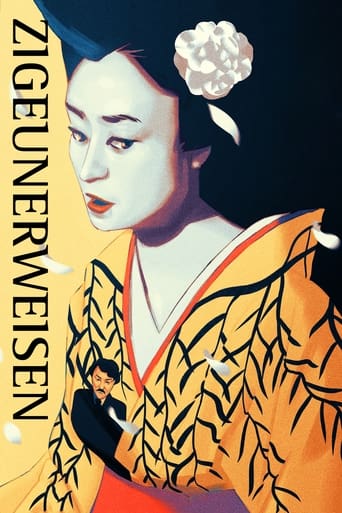
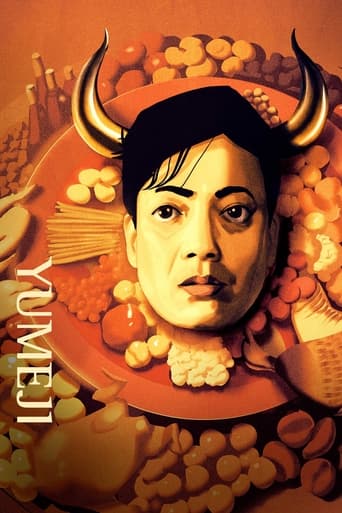
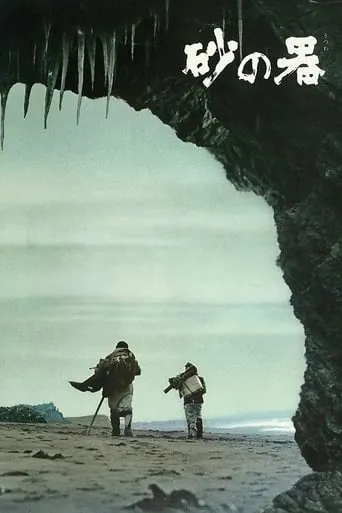
A surreal period film following a university professor and his eerie nomad friend as they go through loose romantic triangles and face death in peculiar ways.
Direction
Suzuki's final Taisho-era nightmare, unshackled from plot logic.
Cinematography
Every frame a painting — literally, he storyboarded as paintings.
Sound
Pablo de Sarasate's violin haunts the celluloid.

Director
Seijun Suzuki

Trivia, insights & behind the scenes
Suzuki was blacklisted by Nikkatsu for a decade; this was his explosive return, self-funded and defiantly uncommercial. It became the first Japanese independent film to gross over 1 billion yen.
The title refers to Sarasate's 1878 composition — the 'Gypsy Airs' — evoking the Romani as eternal wanderers mirroring the film's nomadic souls who cannot settle into life or death.

No ratings yet
Sign in to join the discussion — comments are spoiler-gated to your watch progress.
Discussion starters






 JP
JP