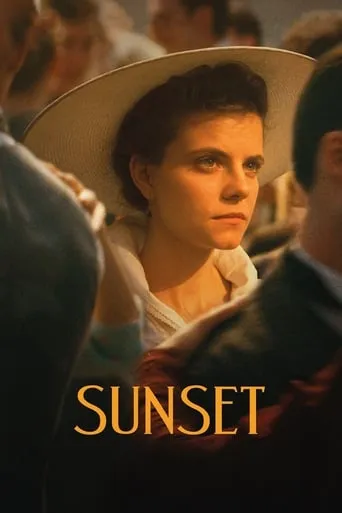
A Romani violinist saves a Hapsburg prince and nobody's throne stays secure.
A gypsy apothecary-violinist befriends a Hapsburg prince after saving his life during the disastrous Hungarian War of Independence in 1849.
Acting
Zsótér's prince—desperate, entitled, weirdly magnetic.
Cinematography
Dusty battlefields that look like Romantic paintings rotting.
Score
Violin as dialogue, grief, and seduction all at once.

Director
Ildikó Szabó
Trivia, insights & behind the scenes
Szabó uses the 1849 war as mirror for Hungary's 20th-century traumas—Hapsburg collapse, Nazi occupation, Soviet era all layered in the film's structure.
The Romani protagonist as apolitical healer was deliberately controversial—Szabó wanted to challenge both socialist hero narratives and nationalist victimhood.


 HU
HU