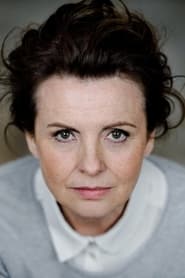
At the latest when Helga crashes through the floor of her living room, she realizes that she is stuck. It's been two years since her husband left her for another woman, but she's still angry and hurt. Everything changes when her cleaning lady goes on vacation and sends Polish worker Ryszard to replace her. Initially the target of Helga's resentment himself, Ryszard soon becomes her confidant. Although they don't speak the same language, Helga feels understood. In the safety of their own four walls, the two grow closer. But when Helga's family and friends find out about her secret, she finds it difficult to admit her feelings for Ryszard, who doesn't fit in at all with the usual image of masculinity in her milieu. Will Helga sacrifice her young, late happiness to social conventions?
Acting
Kogge's rage-to-vulnerability pipeline is devastatingly precise.
Direction
Klein lets awkward silences do the heavy lifting.
Writing
Dialogue that weaponizes politeness like a blade.
Director
Mareille Klein

Trivia, insights & behind the scenes
Klein deliberately cast Zamachowski (Polish cinema royalty) to subvert German stereotypes of Eastern European workers as invisible labor.
The falling-through-the-floor opening wasn't metaphor — Kogge performed the stunt herself, insisting the physical comedy ground Helga's later vulnerability.
No ratings yet
Sign in to join the discussion — comments are spoiler-gated to your watch progress.
Discussion starters




 DE
DE