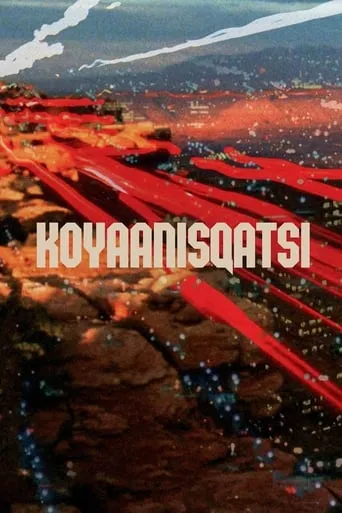
A dormant volcano that erupted into cultural warfare — science vs. sacred ground at 14,000 feet.
Although the mountain volcano Mauna Kea last erupted around 4,000 years ago, it is still hot today, the center of a burning controversy over whether its summit should be used for astronomical observatories or preserved as a cultural landscape sacred to the Hawaiian people. For five years the documentary production team Nā Maka o ka 'Āina ("the eyes of the land") captured on video the seasonal moods of Mauna Kea's unique 14,000-foot summit, the richly varied ecosystems that extend from sea level to alpine zone, the legends and stories that reveal the mountain's geologic and cultural history, and the political turbulence surrounding the efforts to protect the most significant temple in the islands: the mountain itself.
Cinematography
Five years of summit footage — volcanic desolation that breathes.
Direction
Native filmmakers center Hawaiian voices, not astronomers.
Production
Nā Maka o ka 'Āina — decades of indigenous documentary resistance.
Director
Puhipau
Trivia, insights & behind the scenes
Mauna Kea is considered the piko — umbilical cord — connecting earth to sky in Hawaiian cosmology, making the summit literally the most sacred site in the archipelago.
The documentary predates the 2015 Thirty Meter Telescope protests that made global headlines, making it eerily prophetic about the collision to come.

No ratings yet
Sign in to join the discussion — comments are spoiler-gated to your watch progress.
Discussion starters


 US
US