The film that made Nazi war criminals weep in the courtroom — literally.
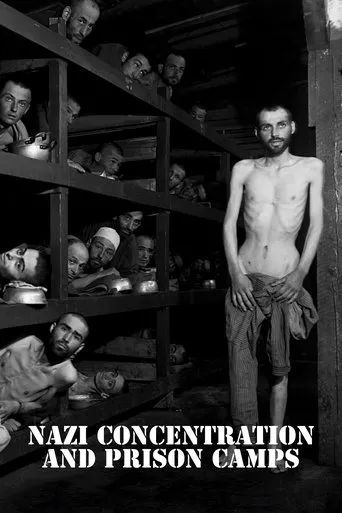
This Soviet-made film was screened on February 19, 1946 on the 62nd day of the Nuremberg Trial and submitted as evidence relevant to the indictment for "crimes against humanity." The one-hour film with voiceover commentary shows visual evidence of the extermination camps of Auschwitz and Majdanek and appeals to spectators' emotions by emphasizing individual victims. The central argument of the film is that the Germans were the executioners of peaceful Soviet citizens. At the time, it made a very strong impression on both the accused and press. The film is a re-edited compilation of footage collected by the Soviet film team over four years (primarily used for propagandistic ends in wartime Soviet newsreels and documentaries). It was prepared in emergency by the Soviet prosecution team and minister of cinema following the projection of Nazi Concentration Camps presented by the Americans on November 29, 1945.
Direction
Rushed assembly under trial deadline created urgent, unpolished immediacy.
Editing
Soviet wartime footage repurposed for international judicial impact.

Director
Manuel Bolshintsov
Trivia, insights & behind the scenes
The film was assembled in mere weeks after the American prosecution screened their own camp footage, sparking a Soviet urgency to not be outdone in documenting atrocities.
This marked one of cinema's first uses as direct legal evidence in international war crimes prosecution, establishing visual documentation's power in shaping historical accountability.
No ratings yet
Sign in to join the discussion — comments are spoiler-gated to your watch progress.
Discussion starters

 SU
SU