In 1942, Nea' Vitu is in trouble with his children: a son is fascinated by the world of war profiteers, and the daughter is going around with the speculator "Treispemii" (Dan Nutu). On the evening of her engagement, Vitu is denounced by his son for hiding an illegal printing press in a painter's house. Thirty years later, he returns to the slum and searches for the Vitu family. They no longer live there, the neighbors have changed, and he investigates to find out what happened to them. Nea Vițu, you raise your daughter, Rădița, and son Fănică. His wife Dorina died when Fănică was born. Apparently, family problems are difficult barriers to overcome. He's an honest man. He gets angry at the slick Fănică. Fănică is also chased away by the slum priest, because he wanted to make a new bible... where he'd be Fănică the God .... Rădița goes around with the speculator "Treispemii". In 1942, nea Vițu joins the fight against the Nazis and runs an illegal printing house with a painter...
Acting
Octavian Cotescu's weary eyes carry fifty years of disappointment.
Direction
Mureșan's time-jump structure predates 'The Godfather Part II' by a year.
Cinematography
Bucharest slums shot like a funeral for working-class dignity.

Director
Mircea Mureșan
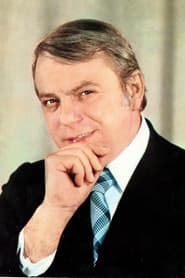
Octavian Cotescu
muncitorul Vitu

Mihaela Mihai
utecista Radita
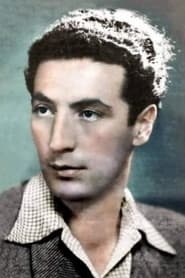
Toma Caragiu
seful de post de jandarmi Eftimie

Gina Patrichi
Tutuleasa
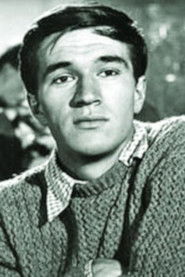
Dan Nuțu
ucenicul Treispemii

Mircea Albulescu
Inspector de la Siguranta
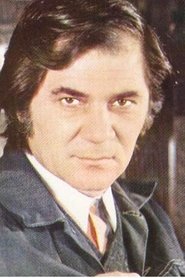
Ion Besoiu
pictorul Radulescu

Draga Olteanu Matei
carciumareasa Vestemeanca
Gheorghe Dinică
pungasul Ionel Calaretu

Florin Scărlătescu
Preotul Chirica

Olga Bucătaru
Lucica
Nucu Păunescu
carciumarul Vestemean
Trivia, insights & behind the scenes
Made during Ceaușescu's early liberalization period, the film barely escaped censorship for its bleak view of communist moral compromise. The regime wanted heroic workers, not failed fathers.
The title 'Bariera' refers to both the physical slum barrier and the unbridgeable gaps between generations, ideologies, and memories—none of which the 1972 audience could publicly discuss.
No ratings yet
Sign in to join the discussion — comments are spoiler-gated to your watch progress.
Discussion starters




 RO
RO