
One bungalow. Two bodies. Three lovers. Forty years of silence.
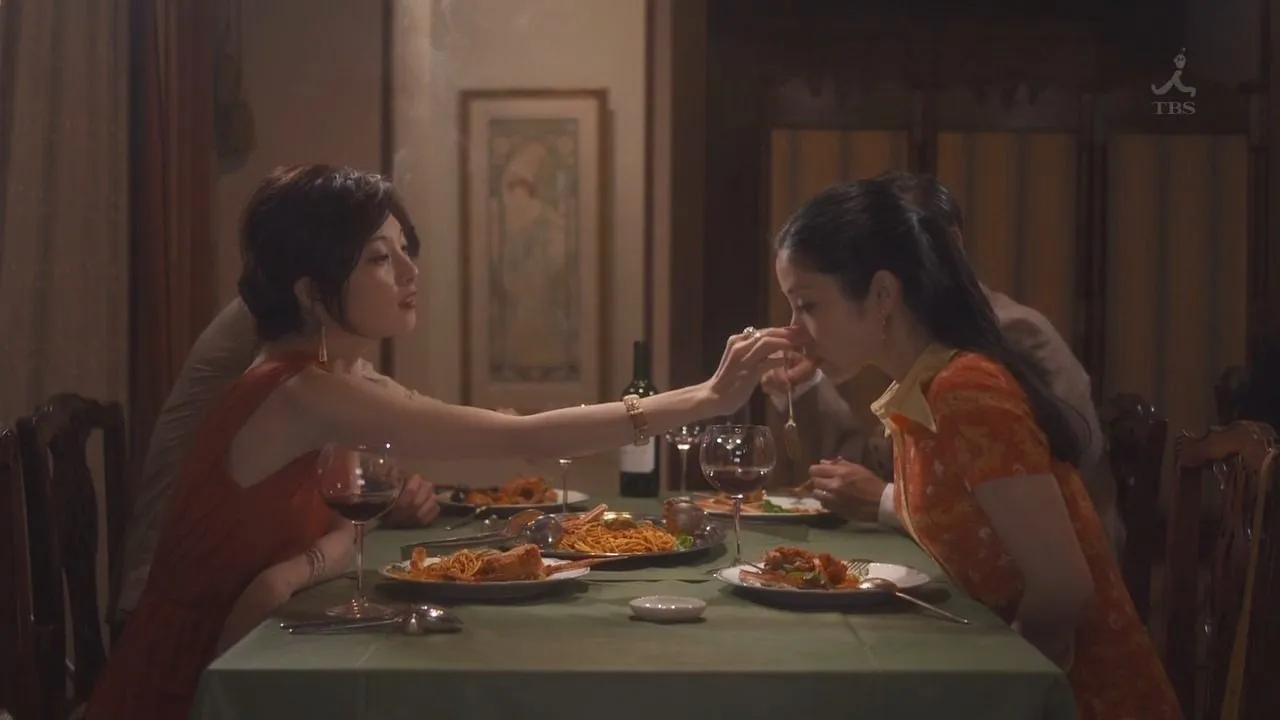
The story is set in the 70s where Ishihara plays Fumiko, an university student, who gets involved romantically with her assistant professor Katase Shintaro (Iura Arata) and his wife Hinako (Tanaka Rena). However, on 28 February 1972, the police finds Shintaro seriously injured and a young man working in a electronics store (Saito Takumi) dead in a bungalow at Karuizawawhile Fumiko and Hinako are also present at the scene. The truth behind the case is not known and the case is quickly classified as a crime of passion which leads to Fumiko being sent to prison. 40 years later, a report writer Torigai Mitsuhiko (Watabe Atsuro) comes to know about this case and goes to interview the elderly Fumiko (Harada Mieko) in prison which leads him to find out what really happened at the bungalow.
Acting
Mieko Harada's prison scenes—every glance withholds and reveals.
Cinematography
Karuizawa's snow isolates the bungalow like a snow globe of secrets.
Writing
Rashomon structure where the 'truth' becomes morally irrelevant.
Director
Takashi Minamoto

Trivia, insights & behind the scenes
The 1972 setting deliberately evokes Japan's student movement era, framing the lovers' bohemian pretensions against actual political radicalism they never joined.
Mieko Harada and Satomi Ishihara never met during filming; director Minamoto kept their performances separate to preserve the uncanny gap between young Fumiko's performance and old Fumiko's truth.


 JP
JP