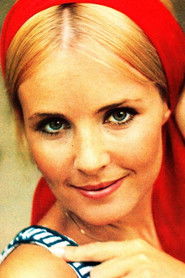
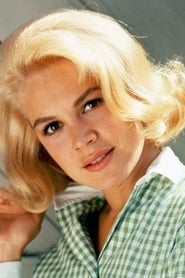
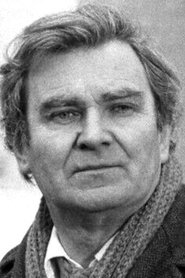
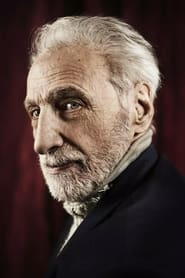
Though married to the good-natured, beautiful Thérèse, young husband and father François finds himself falling unquestioningly into an affair with an attractive postal worker. One of Agnès Varda's most provocative films, 'Le bonheur' examines, with a deceptively cheery palette and the spirited strains of Mozart, the ideas of fidelity and happiness in a modern, self-centered world.
Direction
Varda weaponizes joy: sun-drenched picnics that curdle in your stomach.
Cinematography
Every frame looks like a happy memory you're not sure you should trust.
Score
Mozart becomes deeply sinister through sheer juxtaposition.

Director
Agnès Varda
Trivia, insights & behind the scenes
Varda shot in vibrant Kodachrome specifically to mimic commercial photography of 'happy families,' weaponizing advertising's visual language against itself.
Released in 1965, the film was denounced by some feminists for its 'amoral' protagonist—then reclaimed decades later as a prescient autopsy of patriarchal self-absolution. The Drouot family remained married in real life until Claire's death in 2016.

No ratings yet
Sign in to join the discussion — comments are spoiler-gated to your watch progress.
Discussion starters






 FR
FR