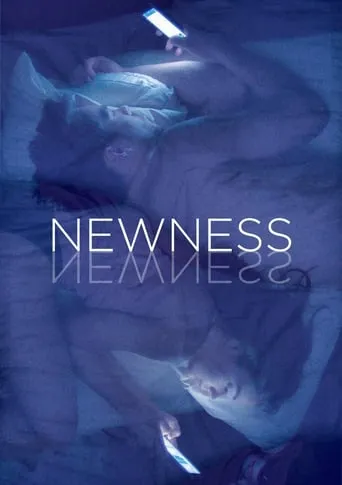
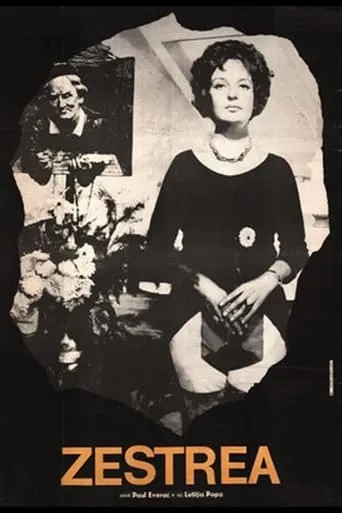
The study of a youth on the edge of adulthood and his aunt, ten years older. Fabrizio is passionate, idealistic, influenced by Cesare, a teacher and Marxist, engaged to the lovely but bourgeois Clelia, and stung by the drowning of his mercurial friend Agostino, a possible suicide. Gina is herself a bundle of nervous energy, alternately sweet, seductive, poetic, distracted, and unhinged. They begin a love affair after Agostino's funeral, then Gina confuses Fabrizio by sleeping with a stranger. Their visits to Cesare and then to Puck, one of Gina's older friends, a landowner losing his land, dramatize contrasting images of Italy's future. Their own futures are bleak.
Cinematography
Gorgeously overripe color that makes despair look delicious.
Writing
Dialogue so pretentious it circles back to genuine.
Acting
Asti's nervous energy—every glance contains three breakdowns.

Director
Bernardo Bertolucci
Trivia, insights & behind the scenes
Bertolucci was 23 when he made this, the same age as Godard when he made Breathless. The French New Wave obsession is not subtle—Fabrizio literally goes to the movies to escape his life.
The title references Talleyrand's quote about the French aristocracy who learned nothing and forgot nothing before 1789. Bertolucci applies it to 1960s Italian youth: all revolutionary posture, no revolutionary action.

No ratings yet
Sign in to join the discussion — comments are spoiler-gated to your watch progress.
Discussion starters






 IT
IT