
A nightmare so vivid it stops a murder—Austrian gothic where dreams literally save your soul.
The deceased owner of a medieval castle stipulated the following in his will: The heir to his mighty estate would be the elder of the two stepsisters, Katharina and Margrit von Kronberg, namely Margrit, if she married Heinz Wagner, a cousin who had just returned from captivity. When Margrit observed Katharina and Heinz rendezvousing at a nearby lake, Margrit demanded that her husband leave the castle immediately, before she, the elder sister, and Heinz were married. Furious, Katharina then plotted to poison Margrit. Only when Katharina dreamed that the village youth would avenge Margrit's violent death according to ancient tradition and that she, Katharina, would be burned on a pyre like witches in the Middle Ages, did she, after awakening from this nightmare, abandon her bloody plan. Her change of will is rewarded: Heinz has decided to marry Katharina and not Margrit.
Cinematography
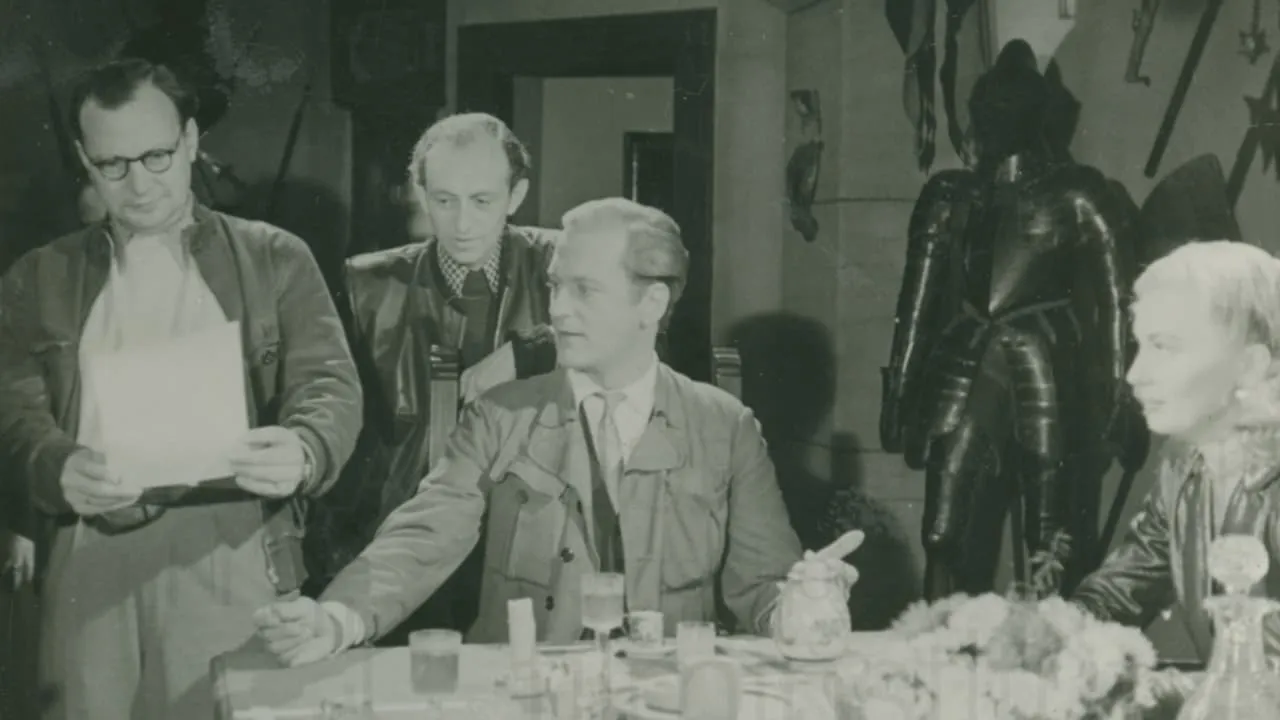
Shadow-drenched castle interiors that scream post-war expressionist hangover.
Acting
Edith Mill's face during the nightmare sequence—silent film techniques in '49.
Director
Hans Schott-Schöbinger
Trivia, insights & behind the scenes
Made in occupied Austria, this reflects post-war anxieties about guilt, punishment, and whether inner conscience can replace external justice.
Curd Jürgens would become an international star—this early role as Heinz shows him already mastering the ambiguous romantic lead.

 AT
AT DE
DE