The Yugoslav government tried to bury these films. Instead, they became legends.
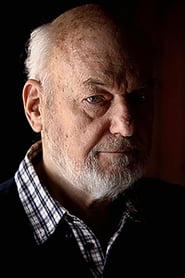
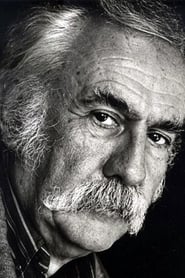
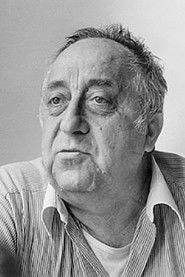
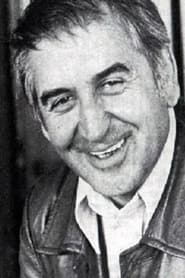
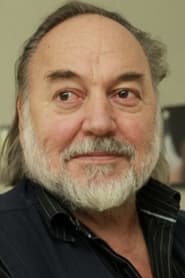
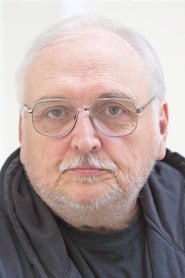
Through the conversation with Yugoslav film authors and excerpts from their films, this documentary film tells a story of a film phenomenon and censorship, and its focus is, in fact, a painful epoch of Yugoslav film called “a Black Wave”, which was the most important and artistically strongest period of Yugoslav film industry, created in the sixties and buried in the early seventies by means of ideological and political decisions. The film tells a great “thriller” story of the ideological madness which characterised the totalitarian psychology having left multiple consequences felt up to our very days. It stresses similarities between totalitarian regimes defending their taboos on the example of the persecution of the most important Yugoslav film authors. Those film authors have, however, made world careers and inspired many later authors. The film is the beginning of a debt pay-off to the most significant Yugoslav film authors.
Direction
Uses the censored films themselves as explosive evidence
Writing
Living witnesses from a government-silenced movement
Director
Milan Nikodijević

Trivia, insights & behind the scenes
The Black Wave directors invented 'Yugoslav absurdism'—a cinematic language so uniquely Balkan it couldn't be replicated even by the regimes that tried to copy it later.
Dušan Makavejev's SWEET MOVIE was literally buried in a Paris vault for years; some Black Wave films only survived because directors smuggled prints out in diplomatic luggage.
No ratings yet
Sign in to join the discussion — comments are spoiler-gated to your watch progress.
Discussion starters


 RS
RS