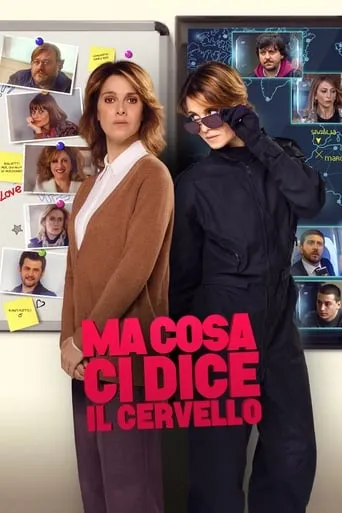
Italian millennial wakes up from her own existential slumber party.
Alice's journey of inner discovery as she grapples with the difficulties of her daily life: family, work, love, friendship. Once she discovers that she can trust others and ask for help, Alice manages to come out of her shell and mature. In this way, she gains self-awareness, understands her desires beyond appearances, and, above all, psychologically emancipates herself from the figures she venerates, discovering that they are lonely, frustrated, and as afraid of life as she is.
Acting
Ferranti's raw, unglamorous breakdown in the kitchen scene.
Direction
Crisostomi's intimate handheld Rome feels lived-in, not postcard.
Director
Oreste Crisostomi

Trivia, insights & behind the scenes
The 4.0 TMDB rating reflects near-total obscurity; this is genuine micro-budget Italian cinema that never found distribution outside festivals.
Catherine Spaak, playing mentor Bianca, was a 1960s Italian cinema icon—her casting deliberately echoes Alice's generational struggle with women she idolizes.


 IT
IT