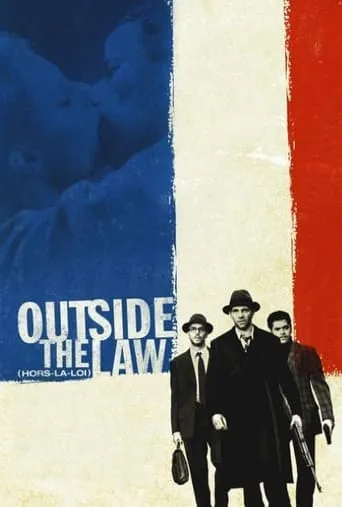
Your father dies from torture. You make the film. Art as revenge, served ice-cold.
In Algiers, during the Algerian War of Independence, one of the leaders of the FLN was arrested by the French colonial army, which used the most violent methods to make the prisoners speak. The use of torture poses a conscience problem for a French officer. Playing shot-reverse-shot, between the tortured and his torturer, in a suffocating camera, Mohammed Lakhdar-Hamina approaches torture by drawing inspiration from the story of his father, who died of abuse.
Direction
Shot-reverse-shot as weapon: Lakhdar-Hamina's father's ghost in every frame.
Cinematography
Suffocating close-ups that refuse the dignity of distance.
Writing
No heroes, only men choosing how to lose their souls.

Director
Mohammed Lakhdar-Hamina


Michel Auclair
Colonel de St-Méran

Sid Ali Kouiret
Si Ahmed

Julien Guiomar
Le général Beaumont

Geneviève Page
Béatrice de St-Mérand

André Thorent
Le général Michon

Mustapha Kateb
Khédija

André Rouyer
L'aumônier

Jacques François
Serge de la Prévoteraie

Jean-Pierre Castaldi

Jacques Castelot

Gérard Darrieu

Hassan El-Hassani
Trivia, insights & behind the scenes
Director Mohammed Lakhdar-Hamina's father died from torture by French forces; this is essentially filmed testimony from a witness who couldn't speak.
Released the same year France finally banned torture officially—films like this forced the national conversation. Cinema as war crimes tribunal.


 DZ
DZ