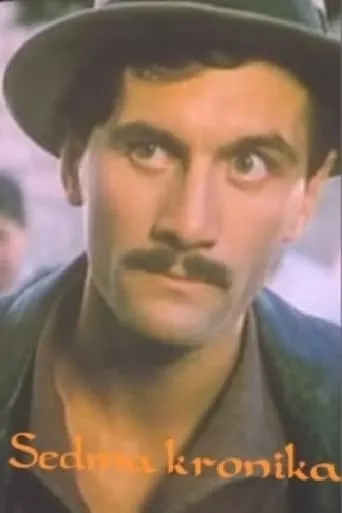
The lives of many people in one Serbian town are changed after Tito's breakup with Stalin.
Direction
Đorđević squeezes epic history into intimate domestic spaces.
Acting
Samardžić carries the weight of an entire nation's confusion.
Writing
Dialogue that makes political theory feel like gossip.

Director
Mladomir 'Puriša' Đorđević

Trivia, insights & behind the scenes
Made during the 'Black Wave' of Yugoslav cinema, when filmmakers aggressively critiqued Tito's regime despite state funding. Đorđević basically got paid by the government to make art about how government lies destroy lives.
The Tito-Stalin split of 1948 was still radioactive territory in 1968 Yugoslavia; this film's sympathetic portrayal of ordinary people caught in political machinery was genuinely brave. Neda Arnerić was only 17 during filming.




 YU
YU