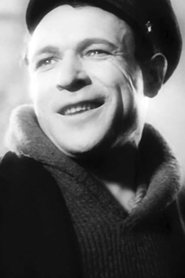
As a response to criticism for the allegedly excessive “mass appeal” of his earlier epic STORM OVER ASIA (1928), Vsevolod Pudovkin unleashed his flair for experimentation in what was supposed to be the director’s first sound feature. Everything went wrong: technical problems forced him to complete the film as a silent; viewers were baffled by the lack of a recognizable plot; then, the ideological climate of the Soviet Union changed. He was now being blamed for catering to bourgeois taste! Time has come to set the record straight. Here’s lyrical cinema at its best, deliberately operatic and yet intimate as it matches the characters’ inner life with the solemn rhythms of nature, and depicted through breathtaking black-and-white photography. A sensation at last year’s Pordenone fest, Pudovkin’s long-forgotten swan song to the art of montage is resurrected by Gabriel Thibaudeau’s emotionally charged live music performance. –PCU (USSR, 1930, 75m)
Cinematography
Black-and-white photography so gorgeous you'll forget sound ever existed.
Editing
Montage theory in its final, defiant form before Stalin killed experimentation.
Score
Thibaudeau's live accompaniment resurrects what 1930 audiences never heard.

Director
Vsevolod Pudovkin
Trivia, insights & behind the scenes
Pudovkin shot sound tests for months before technical failures forced him back to silence — the Soviet film industry's growing pains preserved in amber.
The Pordenone Silent Film Festival resurrection in the 2010s finally vindicated what Soviet critics condemned as 'bourgeois formalism' — turns out they were just scared of poetry.
No ratings yet
Sign in to join the discussion — comments are spoiler-gated to your watch progress.
Discussion starters




 SU
SU