She died for a crime she didn't commit. Her brother sold her out.
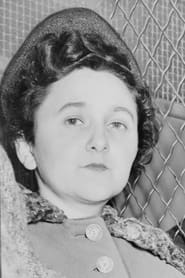
Based on testimony by Ethel’s brother, David Greenglass, the Rosenbergs are arrested by the FBI. The couple is accused of passing secret information about the atomic bomb to the USSR. Though the Rosenbergs maintain their innocence from the start, the media and public opinion seem to have condemned them from day one. The trial does nothing to change this and ends in a death sentence. On Friday June 19, 1953, Julius and Ethel Rosenberg are executed in the electric chair. Julius first, then Ethel. 30 years later, the truth finally comes out. Declassified FBI archives reveal that Ethel was not guilty of being a spy; she was merely married to one. Julius did indeed commit espionage for the Soviet Union, though primarily as a recruiter, nothing at all like the fictional James Bond. This documentary, made entirely of archival footage and animated illustrations, offers a tale of espionage as well as a complex family tragedy.
Direction
Archival footage and animation weave a ghostly, intimate tragedy.
Editing
The 30-year reveal hits like a gut punch you saw coming.
Director
Julia Bracher


Trivia, insights & behind the scenes
The Rosenbergs were the only civilians executed for espionage during the Cold War.
The case became a global cause célèbre—Pablo Picasso and Jean-Paul Sartre publicly protested the executions.
No ratings yet
Sign in to join the discussion — comments are spoiler-gated to your watch progress.
Discussion starters


 FR
FR