The art world told Native artists to paint cowboys. He carved his own path in stone.
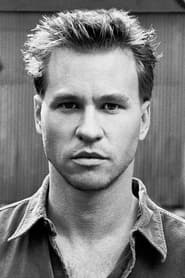
In decades past, Native American artists who wanted to sell to mainstream collectors had little choice but to create predictable, Hollywood-style western scenes. Then came a generation of painters and sculptors led by Allan Houser (or Haozous), a Chiricahua Apache artist with no interest in stereotyped imagery and a belief that his own rich heritage was compatible with modernist ideas and techniques. Narrated by actor Val Kilmer and originally commissioned as part of an exhibit of Houser’s work at the Oklahoma History Center, this program depicts the artist’s tribal ancestry, his rise to regional and national acclaim, and the continuing success of his sons as they expand upon and depart from their father’s achievements. Key works are documented, as is Houser’s tenure at the Santa Fe–based Institute of American Indian Arts.
Production
Stunning documentation of monumental bronze sculptures
Direction
Kilmer's narration brings unexpected soulfulness
Director
Bryan Beasley
Trivia, insights & behind the scenes
Allan Houser was the first Native American to receive the National Medal of Arts in 1992. His son Philip later became the first Native American to win an Academy Award—for visual effects on 'The Abyss' and 'Terminator 2.'
Houser's modernist abstraction was controversial—some critics called it 'not Indian enough,' while others celebrated his refusal to perform authenticity for white collectors. The debate still shapes Native art markets today.

No ratings yet
Sign in to join the discussion — comments are spoiler-gated to your watch progress.
Discussion starters


 US
US