Political dynasties don't fall apart—they just change killers.
Renji goes to see his father to question Tetsuya's allegations of black-market donations that arose when he launched the Shinseikai. However, Tetsuya's heart condition worsens and he collapses on the spot. Renji's father's death brings an end to the feud between father and son, and Tanigawa persuades him to keep the truth of the allegations to himself, and he decides to follow his father's wishes and become a politician. At the same time, Prime Minister Suzuki dissolved the House of Representatives and called a general election, as ordered by political fixer Oda. With Tanigawa's support, Renji launches his own political activities, but is outnumbered by his opponent, prefectural assemblyman Horiuchi. Renji is again contacted by a mysterious person.
Acting
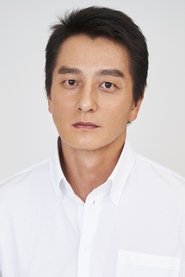
Motomiya's simmering restraint—barely blinking, barely human.
Direction
Tsuji frames power like a funeral nobody attends.

Director
Hiroyuki Tsuji
Trivia, insights & behind the scenes
Part of a direct-to-video political saga that grafts yakuza film aesthetics onto parliamentary procedure—think 'House of Cards' but everyone's quietly sweating.
The 'kuroi kiryū' (black money) allegations mirror real 1990s LDP scandals; Renji's inherited candidacy reflects Japan's hereditary politics where 40% of Diet members are second-generation or higher.
No ratings yet
Sign in to join the discussion — comments are spoiler-gated to your watch progress.
Discussion starters

 JP
JP