A monk raises a war-scarred child while karma circles like a vulture. Korean cinema's hidden spiritual gut-punch.
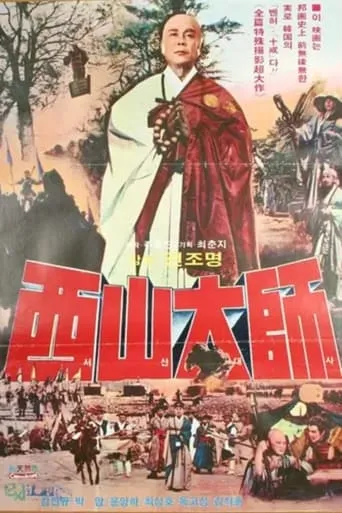
Karma refers to the retribution of suffering in the present due to evil deeds committed in the past. A child who grew up in Baraam, where there was a firearm called 'Jeomrye', had two or three affairs with Mr. Jang, a boatman from Gwiraecheon, at the time of the signing of the pre-war agreement at the end of the Korean War. , Unable to control his burning passion, he suddenly leaves for a foreign country, and as if he had done the double-take of selling his body to American soldiers, he gave the brown-haired mixed-race boy to Buddhist monk Baraam Beopdam and left, leaving behind a message that he would definitely come back to find him.
Direction
Joo Il-cheong frames suffering with Buddhist stillness.
Cinematography
Baraam's misty mountains as metaphor and mood.
Director
Joo Il-cheong

Trivia, insights & behind the scenes
Baraam was made during Korea's authoritarian Fifth Republic, when direct criticism of US military presence was censored—filmmakers used Buddhist karma as coded political commentary.
Director Joo Il-cheong was a former documentary filmmaker; the film's raw, unromanticized portrayal of war orphans drew from actual interviews with mixed-race children abandoned near US bases.


 KR
KR